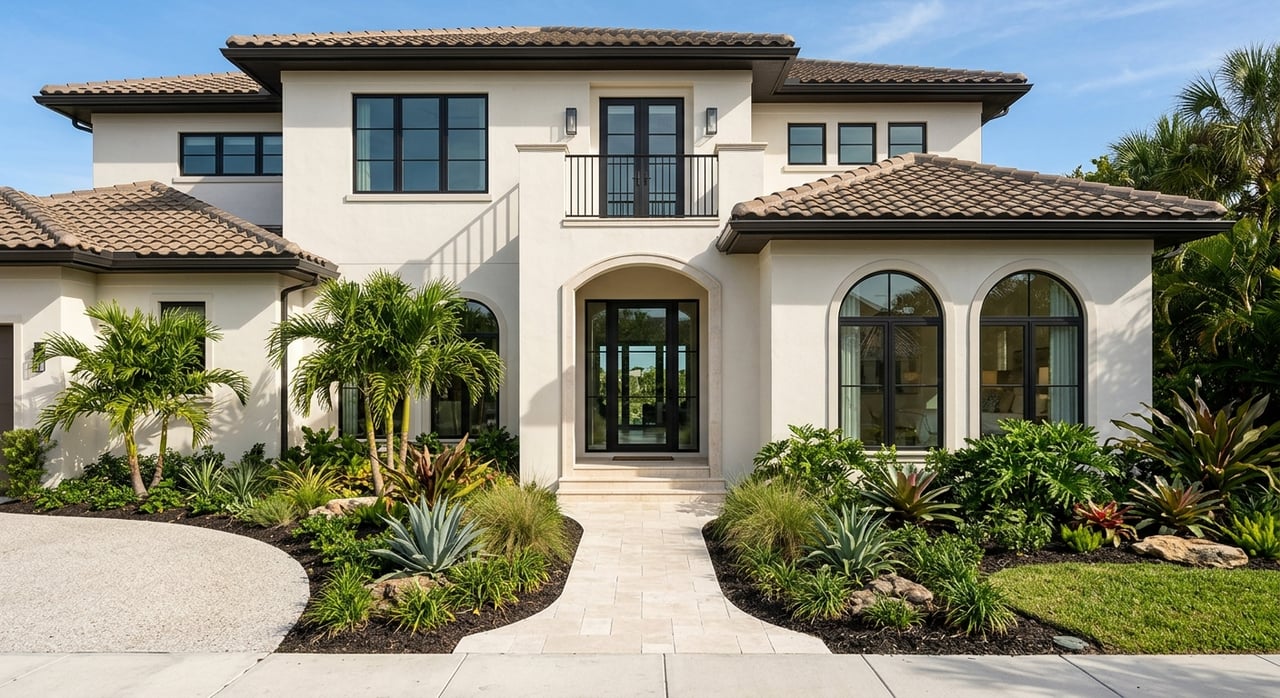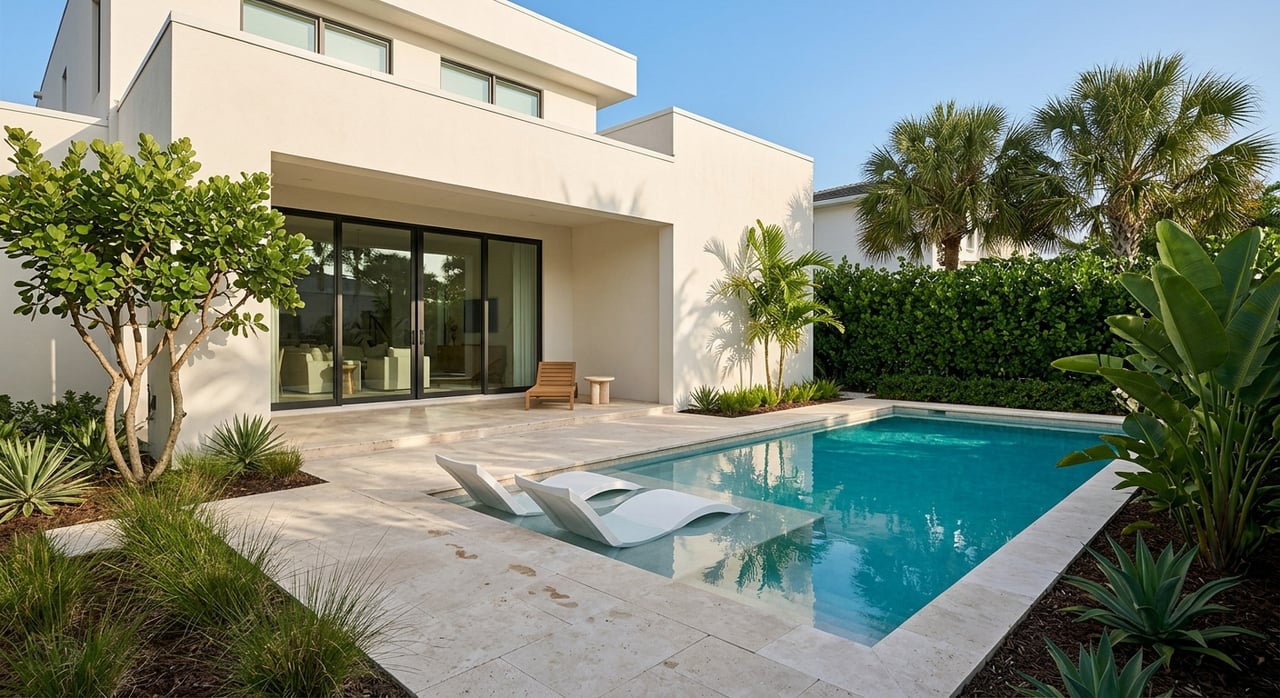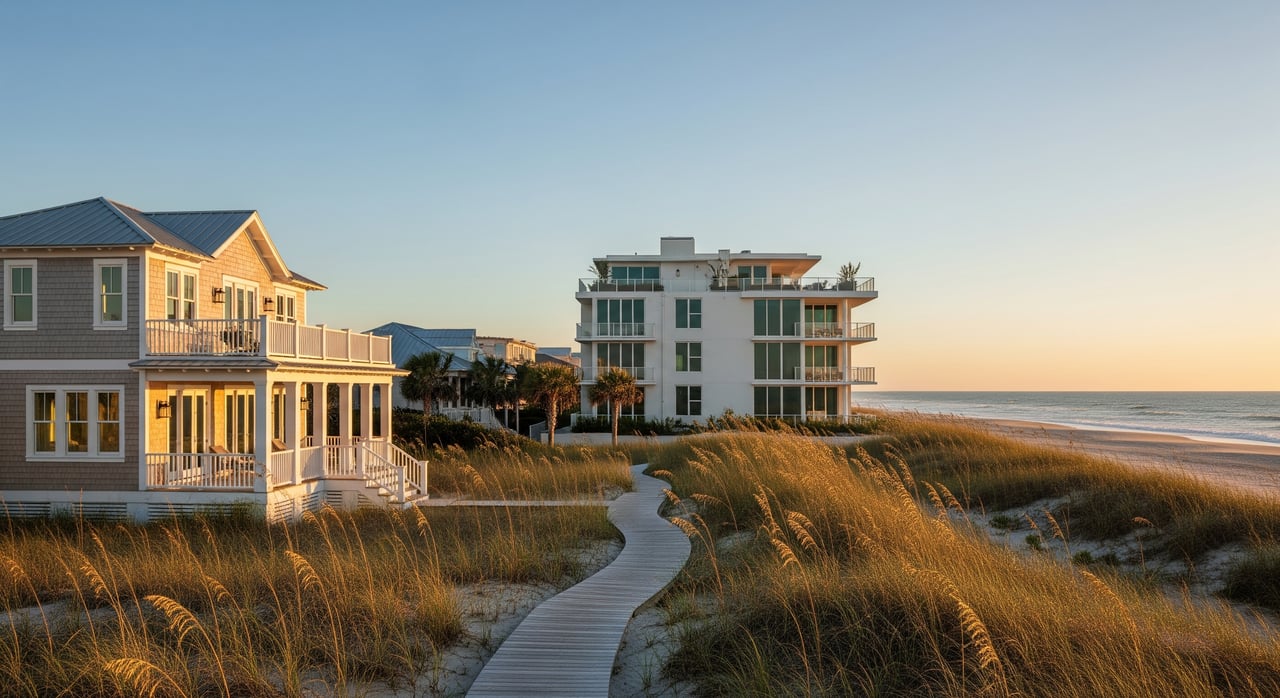
Choosing between a condo and a single-family house at the Jacksonville Beaches can feel like two great versions of the same dream. You want sand, sun, and an easy coastal lifestyle. The real question is which property type fits your budget, your time, and how you plan to use it. In this guide, you’ll learn how costs, rules, insurance, rentals, and daily living differ in Neptune Beach and the surrounding Beaches so you can move forward with confidence. Let’s dive in.
Neptune Beach snapshot
Neptune Beach sits within the Jacksonville Beaches, next to Atlantic Beach and Jacksonville Beach in Duval County. The area delivers a tight coastal strip with walkable dining, small retail, and beach access. Inventory ranges from older beach cottages and mid-century condo buildings to newer elevated coastal homes.
Condominiums are often closer to the shoreline and walkable corridors. Houses are spread across inland streets and some beachfront lots. Proximity to the ocean can mean higher per-square-foot costs, smaller lots, and mixed ages of buildings. Competition is strongest for turn-key properties near the sand and town centers.
Cost comparison at the beach
Your total monthly housing cost includes more than the payment you see on a calculator. Plan for the full picture:
- Mortgage principal and interest
- Property taxes
- Homeowners insurance for wind and hazard
- Flood insurance if required by your lender
- HOA or condo association fees
- Utilities and routine maintenance
- A reserve for unexpected repairs or special assessments
Condos shift more of the exterior and common-area costs into monthly fees. Houses shift those costs to you as pay-as-you-go maintenance. The right choice depends on how you value convenience, control, and predictability.
What condo fees often include
Condo fees vary by building age, size, and amenities. In many beach buildings, fees may cover items like exterior maintenance, roofing, elevators, landscaping, trash, water and sewer, master building insurance, and reserves. Older beachfront buildings can face higher capital needs due to salt-air corrosion. Large repairs can trigger special assessments.
Request the most recent budget, reserve study, financials, and special assessment history to estimate your near-term costs. Ask whether water, cable, or internet are included. Also ask how insurance deductibles are handled if the building files a wind claim.
House cost basics
With a single-family home, you control maintenance pace and finish level. You also take on yard care, roof replacement, exterior siding or stucco upkeep, HVAC systems, and any structural repairs. Coastal exposure can shorten the life of metals, decks, and mechanicals. Insurance for wind and flood can be a major line item, especially closer to the ocean or in mapped flood zones.
HOA and condo rules you should know
Florida law sets the framework for associations. Condominiums follow the Florida Condominium Act, Chapter 718. Homeowners associations follow Chapter 720. Individual governing documents can be stricter than the statutes, so reading the full package matters.
Key documents to review before you make an offer:
- Bylaws, declaration, covenants, and rules
- Current budget and any reserve study
- Audited or reviewed financial statements
- Board meeting minutes and recent owner communications
- Insurance policies, including master building coverage
- Pending litigation disclosures
- Rental policies and pet rules
- Estoppel letter that confirms amounts due
Focus on reserves, recent or planned capital projects, and special assessment history. For older beachfront buildings, ask for engineering reports that address concrete, balcony, and rebar conditions. Understand whether the master policy is bare walls or single entity. Confirm how deductibles are allocated across owners after a storm.
Hurricanes, flood, and insurance
The Jacksonville Beaches face tropical storm and hurricane risk. Properties near the ocean have higher wind and storm surge exposure. Many locations sit in FEMA Special Flood Hazard Areas such as AE or VE zones. Lenders often require flood insurance for those addresses.
Practical steps:
- Check your flood zone and map changes using the FEMA Map Service Center.
- Learn the basics of coverage and claims through the National Flood Insurance Program.
- If available, request an Elevation Certificate to improve the accuracy of flood quotes.
- Explore long-term risk context in the NOAA Sea Level Rise Viewer.
- Monitor Florida insurance market guidance via the Florida Office of Insurance Regulation.
For wind coverage, ask insurers about wind mitigation credits for features like impact windows, hurricane straps, and roof geometry. Many policies carry a percentage-based hurricane deductible, so understand the dollar impact for your purchase price. Condo buyers should request the building’s master policy and any recent claim history.
Financing a condo vs a house
Financing a single-family home is often more straightforward. Condominiums can require additional lender scrutiny and project approval. Conventional lenders reference agency standards for building eligibility. Review resources like Fannie Mae’s condo project guidance and Freddie Mac’s project standards if you plan to finance.
What this means for you:
- Ask your lender early about condo project approval requirements.
- Request the condo questionnaire, budget, and insurance before you go under contract.
- Expect questions about reserves, owner-occupancy ratios, litigation, and structural repairs.
If you prefer fewer financing variables, a house may be simpler. If you prefer lower day-to-day maintenance, a condo may still be the right fit if the building qualifies and the financials are strong.
Rentals, parking, and lifestyle
Rental rules operate on multiple levels. You must follow association rules, municipal ordinances, and state law. Some associations allow only long-term rentals. Others set minimum lease terms such as 30, 90, or 180 days. Still others prohibit short-term rentals.
Confirm local rules with the City and the association. Start with the City of Neptune Beach’s code of ordinances, then confirm your building or neighborhood rules in writing. Rules vary across Neptune Beach, Jacksonville Beach, and Atlantic Beach, so verify for each address.
Parking can be tight near the beach. Condos often have assigned spaces and limited guest parking. Boats, campers, and trailers may be restricted. Houses usually offer a driveway and some street parking, although narrow lots or local permits can limit capacity. If you plan to host guests or rent, confirm on-site parking, guest policies, and any resident parking zones.
Lifestyle tradeoffs are real. Condos offer lock-and-leave simplicity, amenities, and walkable access with less outdoor upkeep. Houses offer privacy, yard space, and more control over renovations and rentals, but they demand more hands-on maintenance. Close to the ocean, you may experience more noise and seasonal traffic. A few blocks inland, you get quieter streets with a short bike ride to the sand.
Buyer checklist
Use this quick list to frame your due diligence.
For condos and HOA communities
- Full association packet: bylaws, declaration, rules
- Current budget, reserve study, and recent financials
- Board minutes and communications from the last 6 to 12 months
- Master insurance policy and deductible details
- Engineering reports and special assessment history
- Estoppel letter and confirmation of dues owed
- Rental policy and any lease approval process
- Flood zone confirmation and an Elevation Certificate if available
For single-family homes
- Full home inspection with a coastal focus: roof, HVAC, plumbing, electrical
- Check for signs of flood or storm damage
- If on water, assess seawall or bulkhead condition
- Verify driveway capacity and nearby street parking rules
- Confirm flood zone and obtain wind and flood insurance quotes early
Local tools and resources
- FEMA Map Service Center to verify flood zones and mapping updates
- National Flood Insurance Program for coverage basics and options
- NOAA Sea Level Rise Viewer for long-term coastal context
- Florida Office of Insurance Regulation for insurance market guidance
- Florida Condominium Act, Chapter 718 and HOA Act, Chapter 720 for association law
- Duval County Property Appraiser to compare parcel data and assessments
- Fannie Mae condo project guidance for financing considerations
How to choose with confidence
If you want low maintenance and walkable beach access, a condo can be a great fit. Just vet the association’s finances, reserves, insurance, and rental rules before you commit. If you want privacy, space for pets or a yard, and flexibility for renovations or rentals, a single-family home may suit you better. Budget for exterior upkeep, flood resilience, and possibly higher insurance costs near the ocean.
You do not have to sort this out alone. The Willie Lane Group helps you compare real addresses, gather HOA documents, secure insurance quotes, and align the lifestyle with your goals. If you are relocating, buying a second home, or planning to rent, our local guidance and process-focused support make the path smoother. Ready to choose the right beach property with a trusted local team at your side? Connect with the Willie Lane Group.
FAQs
What costs differ most between condos and houses at the beach?
- Condos concentrate exterior costs in monthly fees, while houses shift those costs to owner maintenance and insurance. Always total mortgage, taxes, wind, flood, HOA, utilities, and a repair reserve.
How do I check if short-term rentals are allowed in Neptune Beach?
- Confirm both the city’s rules in the Neptune Beach code of ordinances and your HOA or condo documents. You need approval at both levels.
How can I estimate flood and wind insurance before I buy?
- Verify the flood zone in the FEMA Map Service Center, request an Elevation Certificate, and get quotes for both flood and wind. Ask about wind mitigation credits.
Is condo financing harder than house financing in Neptune Beach?
- It can be. Lenders review building approval, reserves, and repairs. Review Fannie Mae’s condo guidance and ask your lender about project approval early.
What are red flags in HOA or condo documents for beach buildings?
- Underfunded reserves, frequent or large special assessments, major deferred maintenance, structural repair reports without a funding plan, restrictive rental policies, and active litigation are common concerns.
Does condo parking differ from a house near the beach?
- Yes. Condos may limit spaces and guest parking, and restrict boats or trailers. Houses usually have driveways and some street parking. Always verify capacity and any resident permit zones.