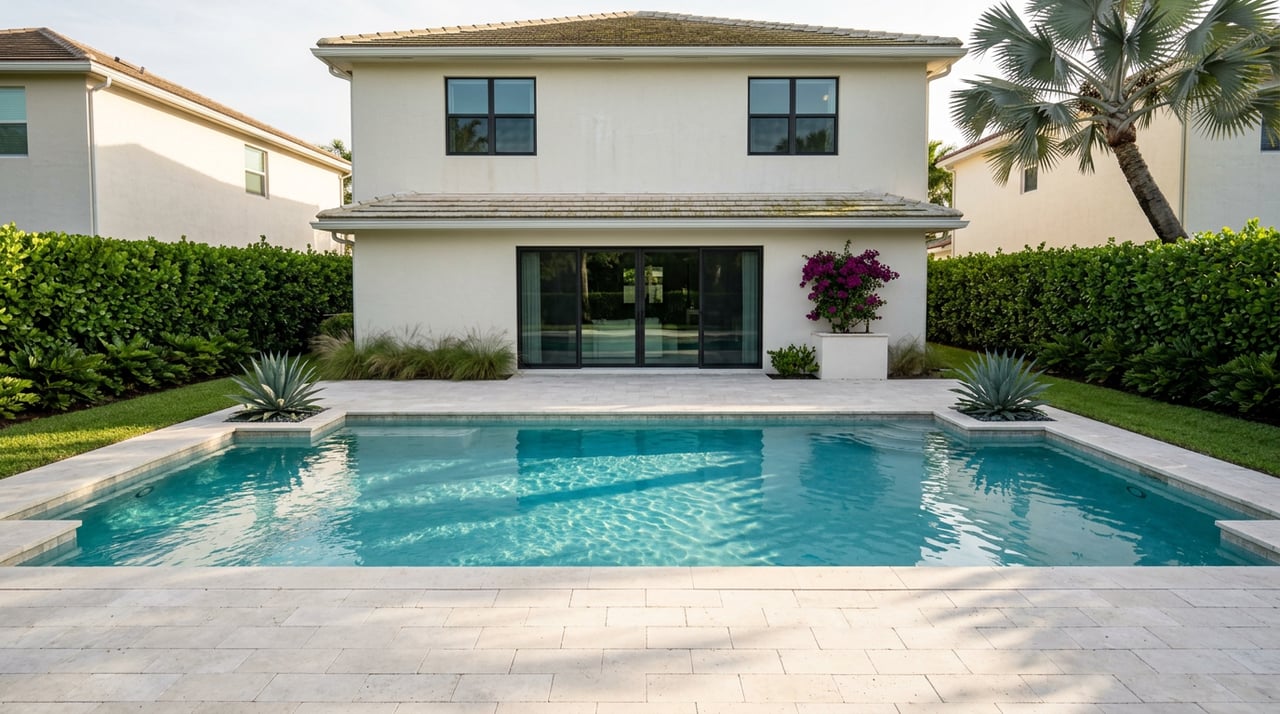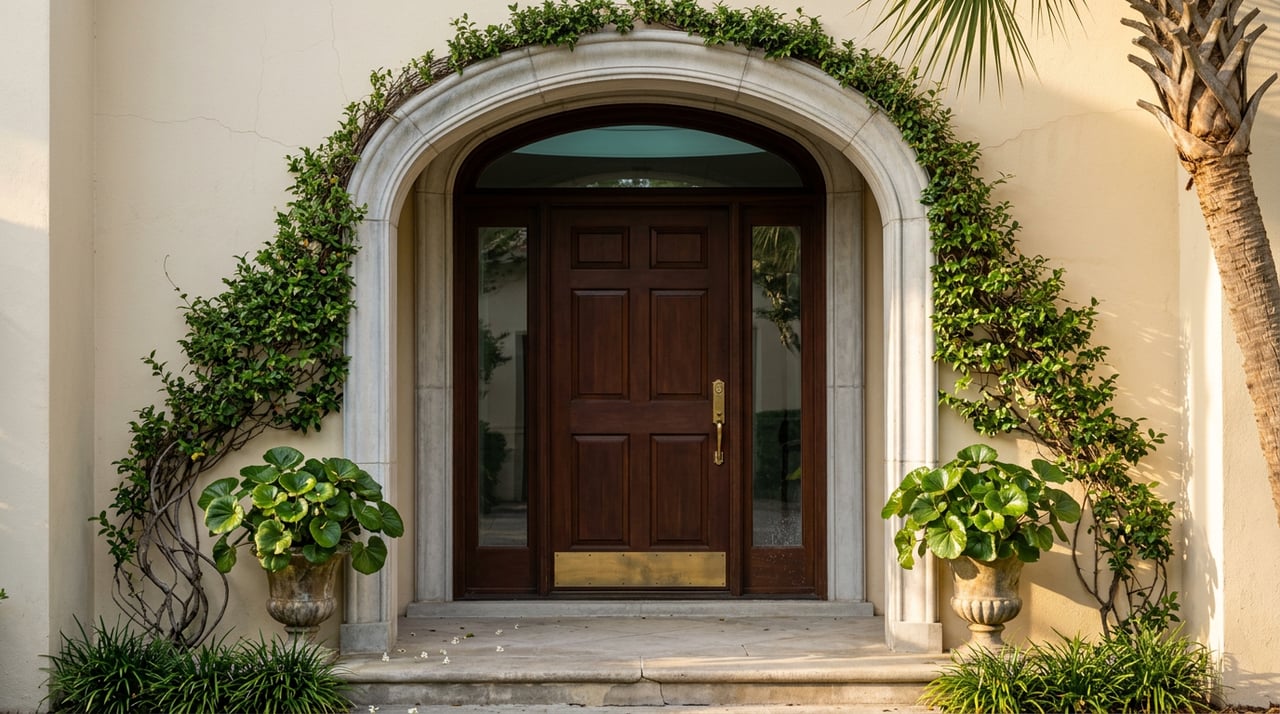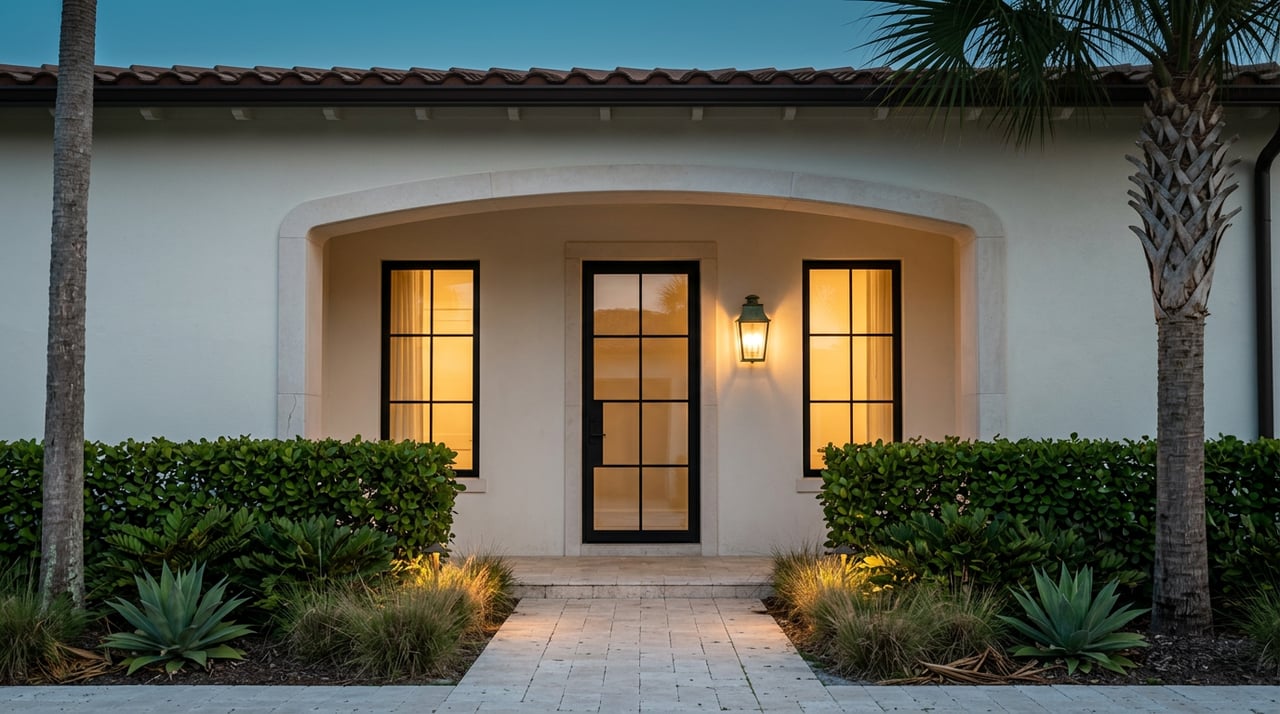
Wondering what your Avondale or Riverside home could sell for today? If you live in 32205, you know historic homes do not fit neatly into a quick online estimate. You want a confident price that attracts the right buyers without leaving money on the table, and you want clarity on what to fix, highlight, or document before you list. In this guide, you’ll get a simple framework that shows how price is set, what local factors matter most, and how to prepare for a premium sale with a custom, data-backed valuation. Let’s dive in.
The four value drivers
Pricing a historic Avondale or Riverside home rests on four pillars: condition, lot and site, architectural significance, and recent comparable sales. Use these to build a clear, defensible price.
Condition
Buyers of historic homes pay attention to both style and substance. Cosmetic updates help, but the biggest price swings usually come from the roof, electrical, plumbing, HVAC, windows, and any signs of moisture or prior water damage. Lenders and appraisers also factor in deferred maintenance and noncompliant systems.
- Focus on three layers of condition:
- Cosmetic: paint, flooring, lighting, fixtures, landscaping, curb appeal.
- Structure and envelope: roof age, flashing, foundation, windows and doors.
- Major systems: HVAC age and service, electrical capacity and panel type, plumbing materials and leaks, water heater.
- Verify with recent inspections, photos of key areas, receipts, and permits. If you know items need work, contractor estimates help you price strategically.
A well-maintained historic interior with preserved trim, built-ins, and original flooring can justify stronger pricing. If your kitchen or baths are original and your roof is near end of life, expect buyers to discount for those items.
Lot and site
In Avondale and Riverside, the site can add meaningful value. Many parcels are walkable and tree canopied, which buyers love, and larger lots or river adjacency often carry premiums.
- Site features that add value:
- Usable yard space and privacy.
- Orientation, corner lots, mature landscaping, fences, hardscaping.
- Detached garages or guest houses.
- Site constraints to note:
- Flood zone designation and elevation.
- Easements or proximity to busy roads or rail.
If your property offers rare lot size, a detached garage, or river views, that should show up as an upward adjustment when comparing to nearby sales.
Architectural significance
Style and authenticity matter in 32205. Craftsman bungalows, Colonial Revival, Tudor, Mediterranean, and masonry bungalows are common. Rarity of a style, plus intact original features, can lift value.
- What appraisers and buyers notice:
- Preserved details like moldings, original windows, hardwoods, fireplaces.
- Quality of renovations and whether they respect the home’s era.
- Any local or national historic designation.
Historic district status can support value through prestige, but it may limit exterior changes visible from the street. If buyers want freedom to alter the façade, restrictions can affect their interest. Be upfront and share any documentation you have.
Recent comparable sales (comps)
The strongest signal for price is similar homes that closed nearby. In 32205, prioritize sales within Avondale and Riverside that share the era, lot type, and finished square footage.
- Use a 3 to 12 month window. If the market is moving fast, weight the most recent 3 to 6 months.
- Adjust for condition first, then size, bed and bath count, lot, parking, and unique historic features.
- Explain differences simply. For example, if a comp sold higher with a new roof and renovated kitchen, you would adjust down if your home needs those updates.
Local MLS data, Duval County property records, and Realtor association reports provide the most reliable numbers. Automated estimates can be a quick check but often misread unique features in historic homes. Always confirm with a human-led CMA.
Local factors in Avondale and Riverside
Historic neighborhood rules, flood risk, and financing standards all influence your price and timeline.
Historic district rules and permitting
Parts of Avondale and Riverside fall within recognized historic districts. Exterior changes visible from the street may require review and approval. Before promoting expandability or exterior alterations, verify current guidelines and any prior approvals.
- Share what you know: designation status, prior applications, approvals, or denials.
- If in doubt, contact the City of Jacksonville’s Historic Preservation Commission or Planning Department for guidance.
Flood risk and insurance
Some blocks near the St. Johns River and lower elevation areas can be in FEMA flood zones. If your home is in a special flood hazard area and a buyer uses a federally backed loan, flood insurance is typically required.
- Get your facts together: flood zone from FEMA maps, elevation certificate if available, and any flood history.
- Note mitigation steps, such as raised utilities or flood vents, and any remediations completed.
Providing clear documentation reduces buyer uncertainty and helps you avoid delays after you go under contract.
Financing and appraisal considerations
Historic homes can challenge appraisals because they are unique. Appraisers rely on comps, and sometimes the most similar sale is just outside an ideal time window or has different upgrades.
- A thorough CMA, plus a summary of upgrades and permits, helps the appraiser.
- FHA and VA loans have minimum property standards. Older systems or safety concerns can shrink the buyer pool if not addressed.
- A pre-listing inspection and a targeted repair plan minimize appraisal issues.
Choose the right valuation method
Knowing the differences among a CMA, an appraisal, and automated tools helps you set expectations and pick the right path.
CMA vs appraisal vs AVM
- Comparative Market Analysis: Prepared by an agent using recent sales with adjustments. Best for setting a list price and strategy.
- Appraisal: Required for most financed buyers. Completed by a licensed appraiser under standardized guidelines.
- Automated Valuation Models: Fast online estimates. Useful as a rough check, but often off for historic properties with unique features.
Use a CMA to position your home for the market. Plan for a lender appraisal during the transaction, and expect it to reflect its own methodology.
How comps are selected and adjusted
Your agent should select three to six closed sales in Avondale or Riverside that match your home’s era and lot type. When current inventory is thin, extend the timeframe and document every adjustment.
- Typical adjustments:
- Condition: roof age, HVAC, electrical, plumbing, kitchens and baths carry the largest dollar moves.
- Size: finished living area, verified against tax and permit records.
- Lot and parking: lot size and features, garage or guest house.
- Historic features: intact period details can justify upward adjustments versus heavily altered homes.
Documenting the “why” behind each adjustment builds credibility with buyers and appraisers.
Common pitfalls to avoid
- Relying on out-of-area comps or online estimates.
- Counting unpermitted additions as finished square footage.
- Ignoring flood history or missing elevation data.
A careful up-front review prevents renegotiations later.
White-glove prep for a premium sale
Premium presentation is not fluff. It is how you surface value, widen the buyer pool, and support a higher price.
Physical prep and staging
Tackle safety and system items first, then visible repairs. Pair neutral staging with historic-sensitive styling that highlights original features.
- Priorities:
- Roof, electrical, HVAC, plumbing, and obvious exterior maintenance.
- Refinish or refresh floors and paint where it has the most visual impact.
- Garden cleanup and simple landscaping to boost curb appeal.
Work with contractors familiar with older homes when addressing windows, woodwork, or moisture concerns.
Documentation and disclosures
Clear, organized records increase buyer confidence and speed decisions.
- Gather permits and receipts for major work.
- Compile any historic documents, old photos, or original plans.
- Provide flood history, elevation certificates, and insurance claim information if available.
- For homes built before 1978, include the federal lead-based paint disclosure as required for sales or leases.
- Share any HOA or preservation covenants and prior design-review decisions.
If you have legal or regulatory questions, consult the City planning office or a local attorney.
High-impact marketing
Historic homes deserve thoughtful storytelling and high-end visuals.
- Professional photography that captures both character and updates.
- Floor plans, measured room dimensions, and a 3D tour.
- Drone visuals for lot context and tree canopy.
- Targeted outreach to restoration-minded buyers and local lifestyle audiences.
With premium tools like Compass Concierge, you can complete select updates or staging with no upfront costs, then reimburse at closing, subject to program terms. Strategic improvements often yield strong returns in historic neighborhoods.
Your custom valuation in seven steps
Here is a clear process to get a confident price and plan:
- Intake call: confirm address, year built, square footage, lot size, beds and baths, and parking.
- Gather records: tax card, permits, receipts for upgrades, prior appraisal if you have one, and any historic designation paperwork.
- Condition review: provide photos, and consider a pre-listing inspection so you can plan repairs.
- Market scan: analyze closed sales in 3 to 12 months, plus current active and pending listings.
- Build the CMA: select comps, apply adjustments, and note unique features and any constraints like flood zones or covenants.
- Pricing and strategy: set a range with rationale, propose a white-glove prep plan, and outline marketing assets.
- Deliverables: a CMA packet, prioritized repair and staging list, and a clear timeline from prep to live market.
Quick checklist to start
- Deed, survey if available, and your Duval County property record.
- Year built and dates of major renovations, plus permits.
- Historic district or National Register documentation if applicable.
- Flood history, elevation certificate, and insurance claims history.
- Interior and exterior photos, including special historic details and known defects.
- Your desired timeline and minimum acceptable net proceeds.
Ready to see your number?
A precise price for a historic 32205 home comes from careful evaluation, not guesswork. If you want a head start on the market, request a custom CMA, a prioritized prep plan, and a premium marketing strategy tailored to Avondale and Riverside. Schedule your consultation with the Willie Lane Group.
FAQs
What is the best way to price a historic 32205 home?
- Use a human-led CMA grounded in recent Avondale and Riverside sales, then adjust for condition, lot, and preserved architectural features.
Do historic district rules affect resale value?
- They can support value through prestige but may limit exterior changes, so disclose status and share any prior approvals to set clear expectations.
How does flood zone status impact selling in Avondale and Riverside?
- Flood zones can affect insurance requirements, premiums, and buyer confidence, so provide elevation data, flood history, and mitigation details up front.
Should I get an appraisal before listing my home?
- A pre-listing appraisal is optional, while a lender appraisal will be required for most buyers; a strong CMA is the best tool for setting your list price.
What documents should I gather before a valuation?
- Collect tax and permit records, receipts for major work, historic materials, flood and insurance history, and recent photos of condition and key features.
How does Compass Concierge help sellers of historic homes?
- Concierge can fund select updates or staging with no upfront cost, helping you complete high-impact improvements that support premium presentation and price.