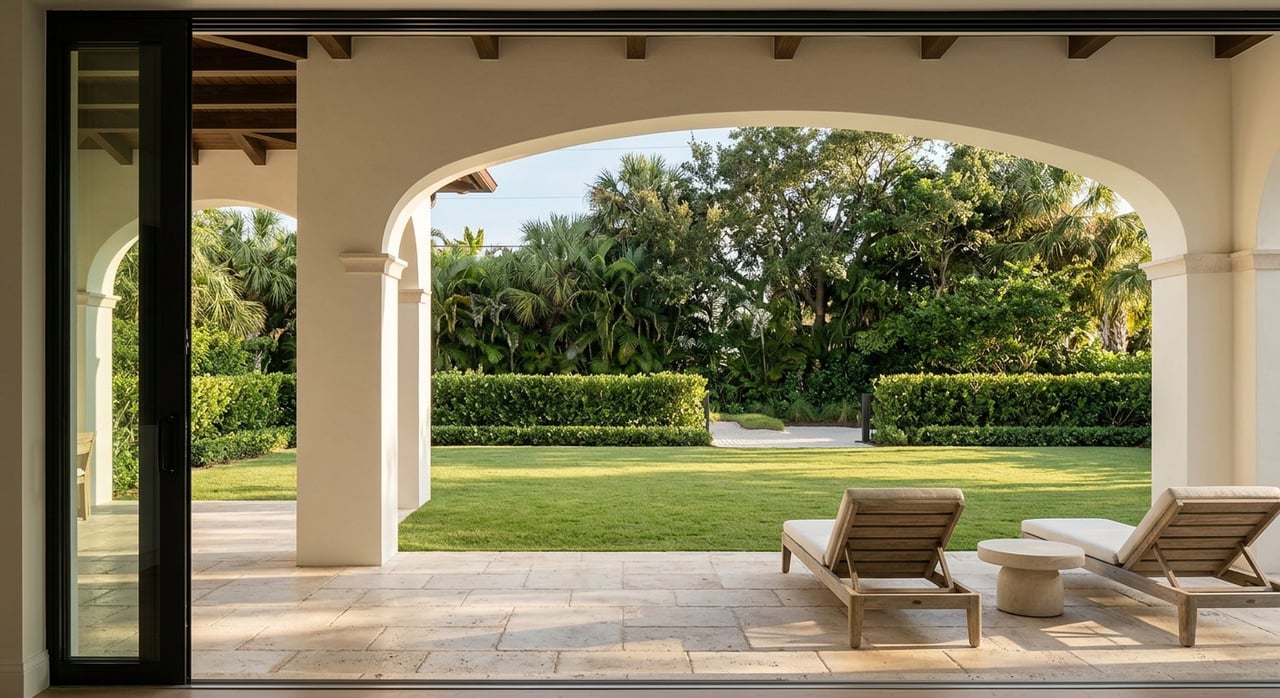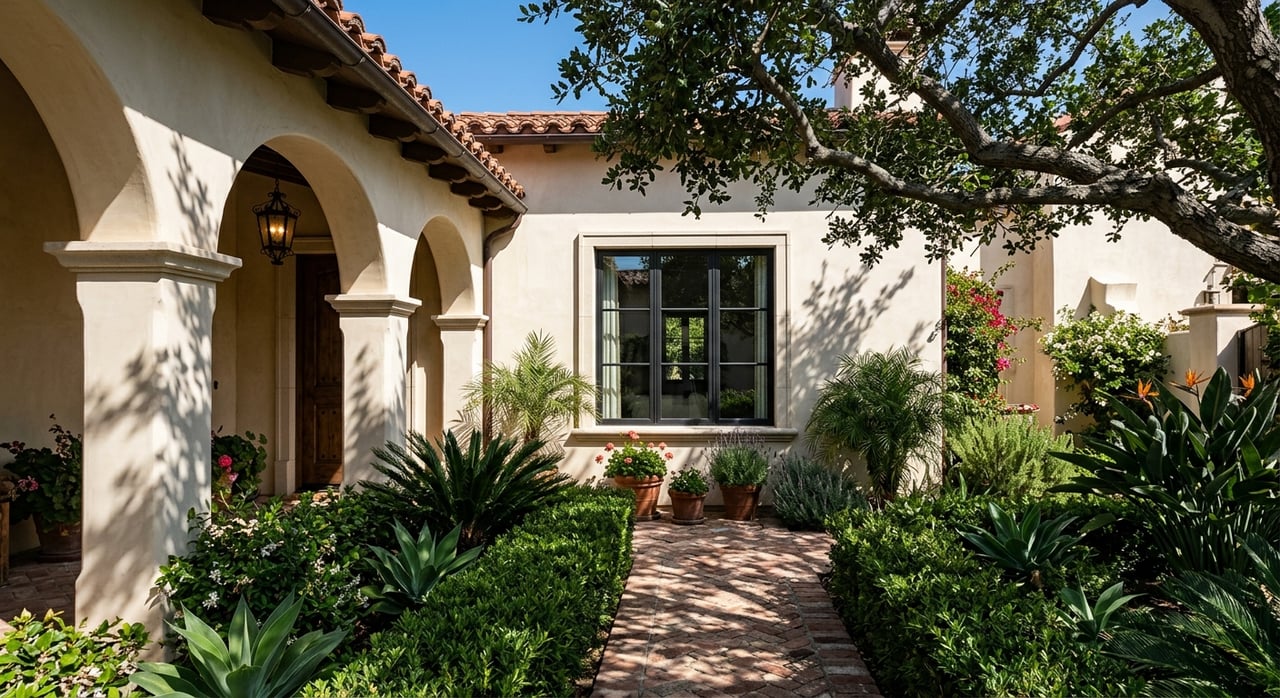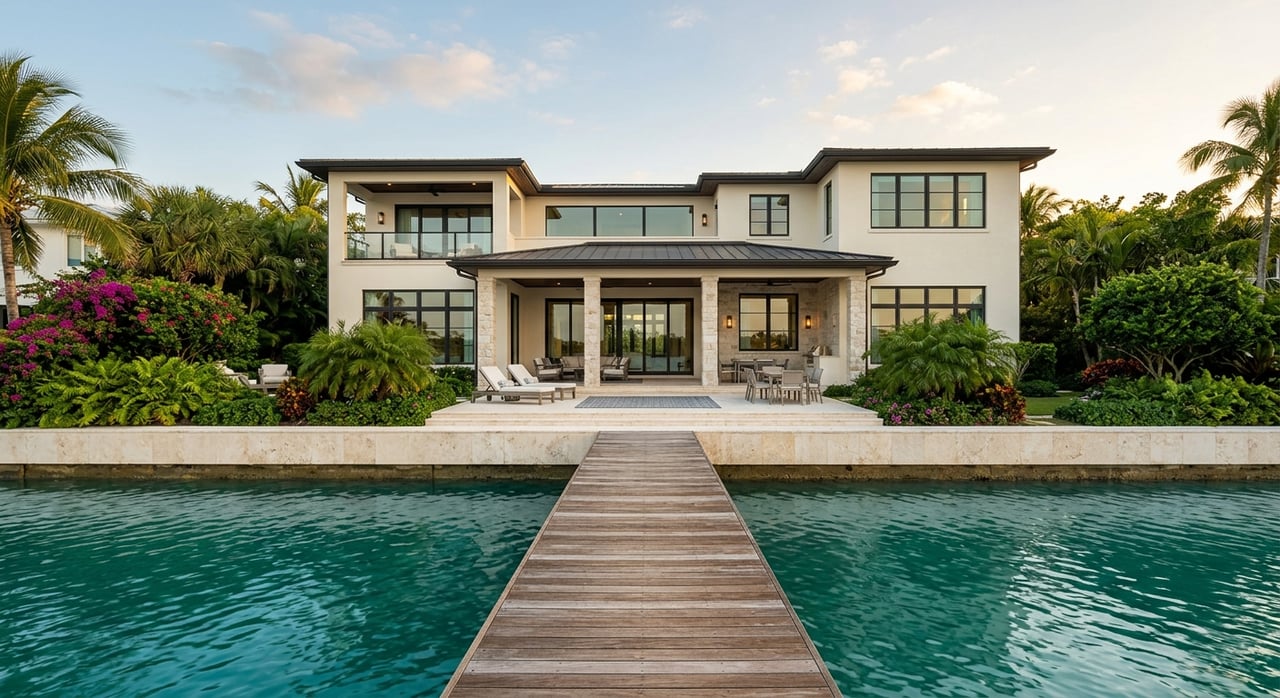
If you are selling an Ortega riverfront home, presentation can shape how buyers value everything they see, from the dock to the living room view. In this part of Jacksonville, buyers are often weighing more than size or finishes alone. They are also looking at river access, boating potential, historic character, and how the home supports life on the water. That is why a strategic plan before photos, showings, and disclosures can make a real difference. Let’s dive in.
Why Ortega Riverfront Homes Stand Out
Ortega sits on a peninsula south of Downtown Jacksonville, along the west bank of the St. Johns River. Public planning documents describe the Ortega and Cedar River district as a recreational boating hub, with local facilities that include Florida Yacht Club, Timuquana Country Club, and Ortega Yacht Club. For sellers, that helps explain why buyers often respond strongly to the waterfront setting and lifestyle story.
Riverfront demand here is not just about what is inside the home. Buyers are also paying attention to how the property connects to the water, what the shoreline looks like, and whether the outdoor spaces feel usable and inviting. In Ortega, the strongest listing strategy usually presents the water as part of the home’s everyday value.
The area also includes the Old Ortega Historic District, which was listed on the National Register of Historic Places in 2004. That historic context can add depth to your listing when the home reflects architectural continuity, mature landscaping, and a well-kept exterior presence. If your property has preserved details, those features can help tell a more compelling story.
Start With Waterfront Preparation
Before you think about photography or open houses, focus on the basics that matter most for riverfront homes. Moisture control, drainage, and exterior upkeep can influence both buyer confidence and inspection conversations. A clean, well-managed waterfront property tends to show better and feel better maintained.
The EPA notes that moisture control is the key to mold control. The St. Johns River Water Management District also advises homeowners to keep debris out of storm drains and ditches, clean gutters, extend downspouts at least four feet from structures, and grade soil so water drains away from the foundation. Those steps are practical, visible, and worth addressing before your home hits the market.
Focus on moisture and drainage
Start by looking for signs buyers may notice right away. That includes musty odors, stained ceilings, peeling paint, damp storage areas, or soft spots near doors and windows. If you find any of those issues, deal with both the symptom and the source.
Your exterior should also support the story of a cared-for waterfront home. Clear gutters, trimmed landscaping, and tidy shoreline edges help buyers focus on the setting instead of deferred maintenance. Even small fixes can improve how the property reads in person and online.
Review docks and shoreline features
If your home has a dock, lift, seawall, or other shoreline improvements, gather records early. Buyers may ask about age, usability, repairs, and any work that has been completed or planned. Having that information ready can make your listing feel more transparent and better organized.
If you plan to complete waterfront work before listing, start the permit review as early as possible. Florida DEP says some single-family dock projects may use self-certification, while others require Environmental Resource Permits. Dredging, filling, and work involving materials such as dock pilings and seawalls are also regulated.
Stage for Views and Lifestyle
Staging is one of the clearest ways to improve how buyers experience your home. According to NAR’s 2025 staging materials, 83% of buyers’ agents said staging makes it easier for buyers to visualize a property. The same materials report that 29% of agents said staging led to a 1% to 10% increase in the dollar value offered.
For Ortega riverfront homes, staging should support the home’s strongest selling points rather than compete with them. That means clean sightlines, natural light, and furniture placement that keeps attention on the river, the outdoor living areas, and the flow between the two. Buyers should be able to picture how the home lives day to day.
Prioritize the most important rooms
NAR identified the living room, primary bedroom, and kitchen as the most important rooms to stage. Those are also the spaces where riverfront homes often make their strongest impression. If you are deciding where to spend time or budget, start there.
In the living room, remove anything that blocks windows or makes the space feel heavy. In the primary bedroom, aim for a calm, open look that highlights light and privacy. In the kitchen, clear counters and keep the room polished so buyers can take in both function and any water-facing views.
Balance preservation and updates
In a place like Ortega, sellers often wonder how far to go with updates. The answer is usually to improve what feels tired while preserving what gives the property its identity. Original details, symmetry, landscaping, and architectural consistency can all support the home’s appeal.
That does not mean every older feature should stay as-is. It means updates should feel thoughtful and in step with the home rather than overly generic. Strategic presentation works best when modern comfort and historic character feel aligned.
Use Media That Sells the Waterfront
For this segment of the market, professional media is essential. NAR’s 2025 data shows that buyers’ agents place high importance on listing photos, videos, and virtual tours. The report also connects staging with shorter market time and stronger offered value.
A riverfront home needs more than standard interior photography. Your media package should show carefully lit exterior images, interior shots that preserve sightlines to the river, and, when appropriate, video or aerial coverage. The goal is to help buyers understand not only the home, but also how the property sits on the water.
Time photos around the tide
Jacksonville’s maritime planning documents note an average 5-foot range between high and low tide in the city. For a riverfront listing, that can affect how the dock, seawall, shoreline, and water depth appear in photos. Timing matters more than many sellers realize.
If possible, plan photography for a tide stage that shows the waterfront at its most usable and attractive. This simple decision can improve how buyers interpret the property online before they ever schedule a showing. In a visual-first market, that first impression carries weight.
Lead with the water story
Your listing should make the waterfront experience easy to picture. That may include how the home faces the river, where a boat is kept, how the outdoor spaces connect to the shoreline, and what the views feel like at different times of day. If relevant, proximity to local boating facilities such as Florida Yacht Club, Timuquana Country Club, or Ortega Yacht Club can help add context.
The key is to stay concrete and accurate. Show what the property offers without stretching beyond the facts. Buyers respond best when the story feels polished, specific, and credible.
Prepare for Historic and Permit Questions
If your home is in a historic area, preparation should include recordkeeping. Jacksonville requires a certificate of appropriateness for alterations, demolition, relocation, or new construction involving a designated landmark, landmark site, or contributing structure in a historic district. That means buyers may want to understand what work has been approved and completed over time.
Gather permits, approvals, contractor invoices, and any records tied to exterior changes before listing. This can be especially helpful if you have updated windows, roofing, façade elements, or waterfront structures. A complete paper trail can reduce uncertainty and support smoother due diligence.
Historic character does not have to be framed as a complication. In many cases, it is part of what gives the home distinction. When handled with clarity, it can become a positive part of the property narrative.
Get Flood and Water Disclosures Ready Early
For riverfront sellers in Florida, flood-related preparation should begin well before contract. Under Florida Statute 689.302, a seller must provide a flood disclosure to the purchaser of residential real property at or before contract execution. The disclosure includes whether the seller has filed flood-related claims or received federal flood assistance.
That makes early organization important. Gather your flood history, insurance history, and any other relevant records before the listing goes live. Buyers are likely to ask, and having clear answers can help your sale move forward with fewer delays.
Review maps and prior claims
FEMA reminds homeowners that standard homeowners insurance does not cover flood. For sellers, that is another reason to review flood-related information early and understand what documentation you can provide. It is better to sort through those details before you are in the middle of negotiations.
The St. Johns River Water Management District also notes that local governments are the primary response agencies during storms and that its storm resources include flood statements, river stages, and emergency contacts. For a waterfront property, this context matters because buyers often want a fuller picture of how the home has been managed over time.
Disclose water issues honestly
If your home has had prior water intrusion, drainage problems, or flood-related repairs, be direct and organized. Buyers are not just evaluating whether an issue occurred. They are also evaluating how well it was addressed.
Clear records, receipts, and repair details can strengthen confidence. Strategic presentation is not about hiding risk. It is about reducing uncertainty through preparation, transparency, and thoughtful marketing.
Why Process Matters in Ortega
Selling an Ortega riverfront home often involves more moving parts than a typical listing. You may be balancing staging, photography, waterfront maintenance, flood paperwork, historic records, and possible permit questions all at once. A process-driven approach helps you stay ahead of those details.
That is also where presentation becomes more than just aesthetics. The best results usually come from pairing polished marketing with careful preparation behind the scenes. When buyers see a home that looks exceptional and feels well documented, they are more likely to engage with confidence.
If you are getting ready to sell in Ortega, the goal is simple: show buyers not just the house, but the full value of living on this stretch of river. For tailored guidance on preparing, presenting, and marketing your property, connect with the Willie Lane Group.
FAQs
What matters most before listing an Ortega riverfront home?
- Focus first on moisture control, drainage, exterior upkeep, and organizing records for docks, seawalls, permits, and prior water-related work.
Which rooms should you stage in an Ortega waterfront home?
- Start with the living room, primary bedroom, and kitchen, since NAR reports those are the most important rooms to stage.
What flood disclosures are required when selling a home in Florida?
- Florida Statute 689.302 requires sellers of residential real property to provide a flood disclosure at or before contract execution, including certain flood-claim and federal assistance history.
Do Ortega historic homes need special records before sale?
- If the property is a designated landmark, landmark site, or contributing structure in a historic district, it is smart to gather prior approvals, permits, and records of completed work before listing.
Should dock or seawall projects be completed before listing an Ortega home?
- It depends on the project, but if work is planned, start early because Florida DEP regulates many dock, seawall, dredging, and fill activities.
How should an Ortega listing highlight the riverfront setting?
- Use professional staging and media to show water views, dock usability, indoor-outdoor flow, and accurate context around the property’s boating-oriented location.