If you love the energy of city living but do not want every errand to start with a car key, Downtown Jacksonville deserves a closer look. You may be wondering whether living here can actually feel convenient day to day, or if going car-light sounds better on paper than it works in real life. The good news is that Downtown now offers a more practical mix of housing, riverfront access, transit, and daily amenities than many people expect. The key is knowing which pockets make that lifestyle easier. Let’s dive in.
Why car-light living works downtown
Downtown Jacksonville is no longer just a weekday office district. Downtown Vision reports a residential population of 9,228 in 2025, along with 5,655 housing units and 96% occupancy. That kind of residential base matters because a true neighborhood needs more than office towers. It needs people who live there, move around on foot, and use local amenities every day.
Resident survey results also help tell the story. The top reasons people choose downtown are walkability, convenience, central location, and the urban feel. Just as important, 91.6% of residents say they like or love living downtown, which suggests the lifestyle is working for many people in practice, not just in theory.
That said, the most accurate way to think about this area is car-light or car-optional, not fully car-free. Your experience will depend heavily on where you live in relation to transit, grocery options, the riverfront, and the places you visit most often.
Best areas for car-light living
Northbank and Southbank basics
The Northbank and Southbank form the core of daily downtown movement. If you live near the Riverwalk, Bay Street, or the bridge connections, you can often handle walks, short transit trips, and leisure outings without much planning. That can make a big difference if your goal is to reduce driving instead of eliminate it completely.
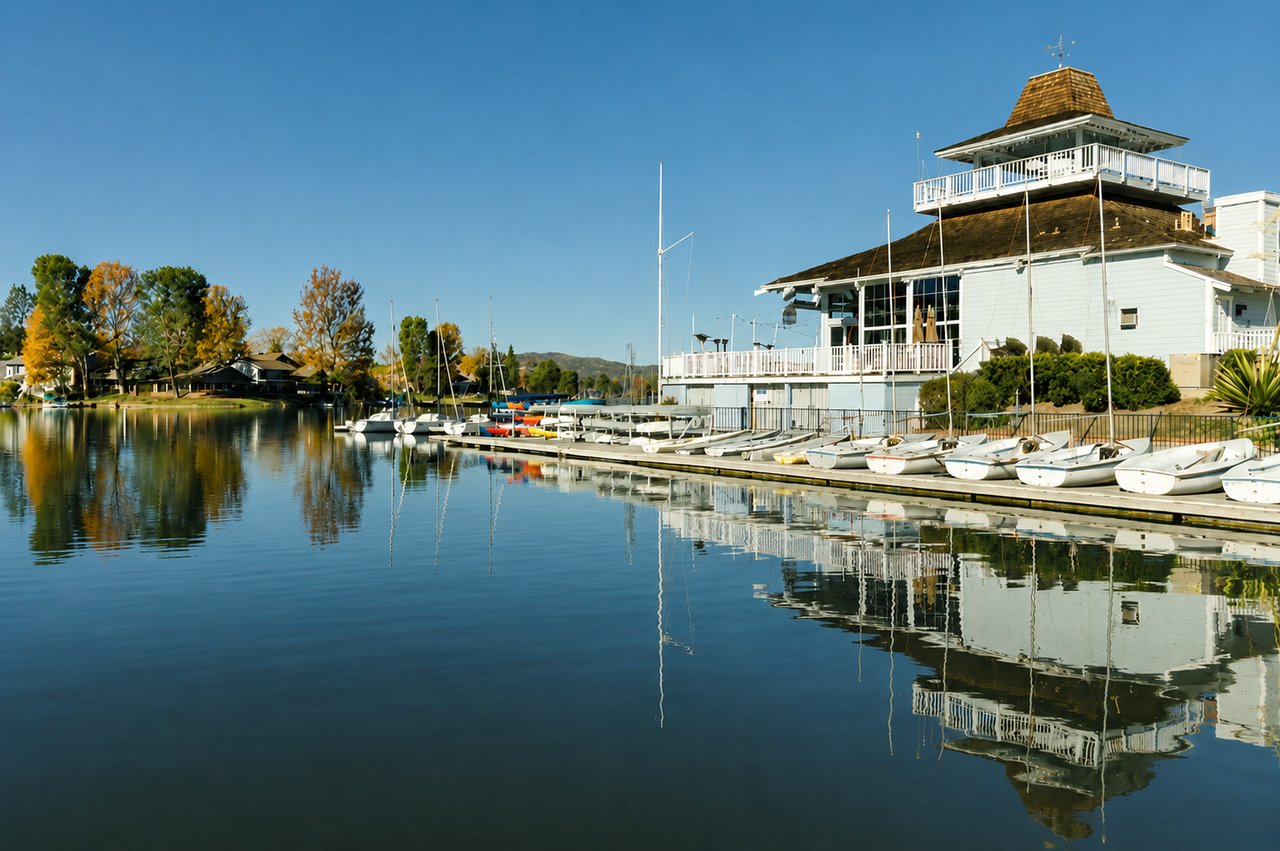
The Riverwalk system stretches nearly three miles along both banks of the St. Johns River. Pedestrian connections over the Main Street and Acosta bridges help tie both sides together, which expands the range of destinations you can reach on foot.
Brooklyn adds convenience
Brooklyn is often one of the most practical nearby choices for a car-light lifestyle. It sits just west of the core, offers Northbank Riverwalk access, and has a walkable riverfront feel with major venues nearby. For many buyers, Brooklyn works well because it gives you downtown access with a slightly more connected everyday rhythm.
Just as important, near-core grocery options include Whole Foods at 1 Riverside Ave. and The Fresh Market at 150 Riverside Ave., both open daily from 8 a.m. to 9 p.m. If grocery access is high on your checklist, that nearby retail matters.
NorthCore and Pearl Square growth
NorthCore is one of the most interesting areas to watch. Pearl Square is reimagining roughly 20 blocks as a walkable mixed-use district with housing, retail, plazas, and tree-lined streets. A planned 31,000-square-foot Publix could be a meaningful improvement for residents who want easier grocery access on the north side of downtown.
Street design changes also support the broader walkability push. The two-way restoration of Forsyth and Adams Streets is intended to improve pedestrian safety, sidewalk activity, and overall ease of getting around.
Riverwalk makes daily movement easier
A practical path, not just a view
The Riverwalk is one of the biggest reasons Downtown Jacksonville can support a car-light routine. It is not only scenic. It also creates a real movement corridor for walking, jogging, and connecting between destinations.
The Southbank Riverwalk includes a 1.25-mile boardwalk and a kayak launch near Chart House. On the Northbank side, the Riverwalk runs from Berkman Plaza to I-95 in Riverside and includes boat docks plus a shoreline canoe and kayak launch.
If you picture your ideal week including coffee runs, waterfront walks, meeting friends, or getting outside without driving to a park, this riverfront access adds real value. Public space density often shapes whether a neighborhood feels easy to live in, and downtown is gaining more of that over time.
Transit options you can actually use
Skyway for simple downtown trips
Many people are surprised to learn that the JTA Skyway is free. It runs on weekdays from 6 a.m. to 9 p.m., with arrivals every 4 minutes during peak periods and every 8 minutes off-peak. Bikes can ride aboard when space allows, which helps if you combine transit with a short ride.
For someone living and working within or near the core, that can take some pressure off daily driving. It is especially helpful for short downtown trips when parking is possible but unnecessary.
Buses, BRT, and on-demand service
JTA also runs fixed-route buses seven days a week. The First Coast Flyer bus rapid transit service offers 10-minute peak frequency and 15-minute off-peak frequency, which can give you more reliable timing if you depend on transit regularly.
ReadiRide adds another layer of flexibility. It provides phone-bookable shuttle service in 14 neighborhoods, which can be useful when your destination does not line up perfectly with a fixed route.
NAVI and River Taxi options
The NAVI autonomous shuttle operates along the Bay Street corridor Monday through Friday from 7 a.m. to 7 p.m. and does not charge a fare. However, four stations have been temporarily closed during downtown construction since January 2026, so that service may be less seamless right now depending on your route.
For water-based trips, the St. Johns River Taxi serves downtown Wednesdays through Sundays. Stops include Friendship Fountain, the Hyatt Regency, the Marriott Downtown, Jackson Street/YMCA, Riverside Arts Market, and the Cummer Museum. It is not a full commuting system, but it does add another car-light option for leisure and cross-river movement.
Micro-mobility and parking still matter
A successful car-light lifestyle usually includes backup options. Downtown has scooters in 37 designated corrals, which can help with those trips that feel a little too far to walk but not worth moving the car for.
Parking also remains part of the picture. Downtown has more than 48,000 public parking spaces, with free on-street parking after 6 p.m. and on weekends. That supports the idea that downtown works best as car-optional for many residents, since you can still keep a car without needing to use it for every outing.
What to look for in a home
Prioritize address over amenities alone
If you want to live car-light, the building matters, but the address matters more. A beautiful condo can still feel inconvenient if it sits too far from your grocery stop, transit line, or preferred walking routes. When you tour homes, think beyond the unit itself and map your likely weekly routine.
The most practical setup is often a home clustered near work, groceries, leisure spots, and transit access in the Northbank, Southbank, NorthCore, Brooklyn, or Bay Street corridor. That location strategy can save you more time than almost any single building feature.
Amenities that support daily ease
Building amenities can still make a difference. The Plaza Condominium is one example of the kind of amenity stack that supports lower-car living, including a pool, renovated fitness center, private parking garage, rooftop tennis courts, 24-hour concierge, guest suite, pet park, and meeting space.
Downtown resident survey data also point to the features people value most. In-unit washer and dryer, dishwasher, and pet-friendliness rank high for unit amenities, while on-site parking, 24-hour emergency maintenance, and 24-hour security rank high for community amenities. Those details matter because they reduce friction in everyday life.
Downtown is improving in real time
Downtown Jacksonville is not standing still. Ongoing projects include Pearl Square, RiversEdge, riverfront parks, the stadium renovation, and the UF graduate campus in LaVilla. There is also a residential pipeline of more than 2,100 units under construction or in the works.
Riverfront Plaza phase one opened in late 2025, and the Friendship Fountain playground plus RiversEdge parks drew tens of thousands of visitors in their first month. More active public spaces can make a neighborhood feel more connected, more convenient, and more worth exploring on foot.
That is why the right tone here is grounded optimism. Downtown already offers genuine car-light potential, and the lifestyle should become easier as more housing, retail, and public spaces come online.
Who downtown fits best
Car-light living in Downtown Jacksonville may be a strong fit if you:
- want a more urban, walkable lifestyle
- work in or near downtown
- enjoy riverfront access and public spaces
- prefer condos or low-maintenance homes
- do not mind using a mix of walking, transit, scooters, and occasional driving
It may be less convenient if your daily routine depends on destinations spread far outside the core. In that case, downtown can still be a great home base, but you may use your car more often than expected.
If you are considering a move, the smartest next step is to compare specific buildings and blocks through the lens of your actual routine. The right downtown address can make a car-light lifestyle feel easy, while the wrong one can make it frustrating. If you want help narrowing your options in Downtown Jacksonville, the Willie Lane Group can help you match the neighborhood, building, and daily lifestyle that fit best.
FAQs
Is Downtown Jacksonville good for car-light living?
- Yes. Downtown Jacksonville can support car-light living, especially if you live near the Riverwalk, transit, and grocery options in areas like Northbank, Southbank, Brooklyn, NorthCore, or the Bay Street corridor.
What transit options are available in Downtown Jacksonville?
- Downtown Jacksonville offers the free JTA Skyway on weekdays, fixed-route buses seven days a week, First Coast Flyer bus rapid transit, ReadiRide shuttles in 14 neighborhoods, the NAVI shuttle on Bay Street, and the St. Johns River Taxi on select days.
Where can you buy groceries near Downtown Jacksonville?
- Current near-core grocery options include Whole Foods at 1 Riverside Ave. and The Fresh Market at 150 Riverside Ave., both open daily from 8 a.m. to 9 p.m., with a planned Publix coming to Pearl Square in NorthCore.
Which Downtown Jacksonville areas are best for walkability?
- Northbank, Southbank, Brooklyn, NorthCore, and areas near the Bay Street corridor tend to offer the best setup for walkability because they are closer to the Riverwalk, transit, and daily-use destinations.
Is car-free living realistic in Downtown Jacksonville?
- For most people, car-light or car-optional is a more realistic goal than fully car-free living, since convenience still depends on your exact address and how close you are to transit, grocery stores, and regular destinations.